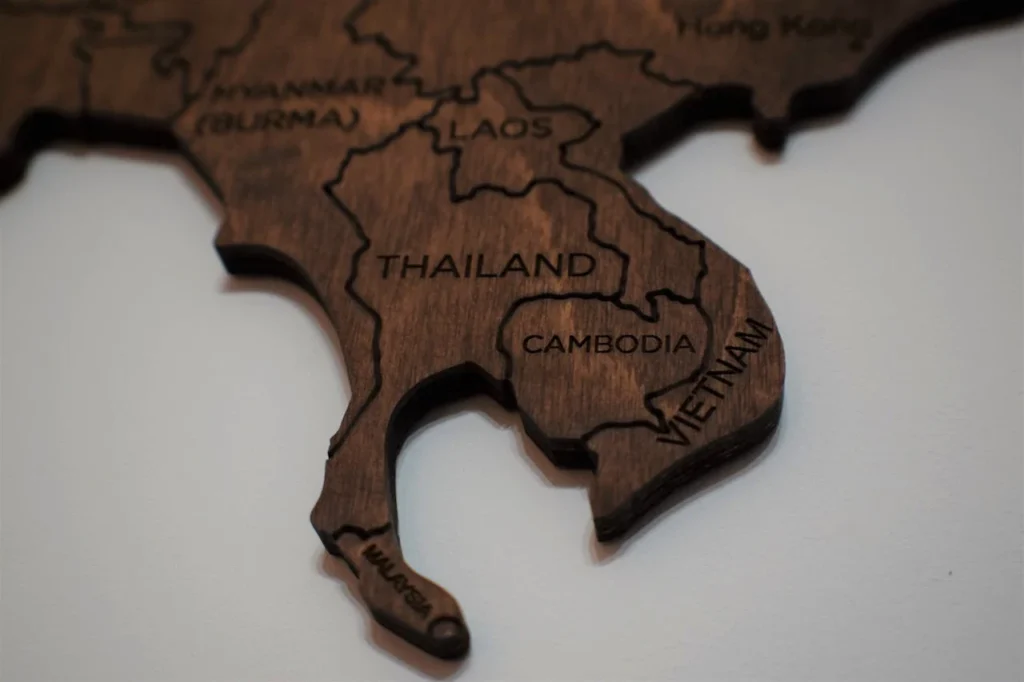

Savannakhet, a city and province of the Central Region of Laos is among the less known destinations for tourists, but an absolute hidden gem. The central district of the city Savannakhet itself is actually called “Kaysone Phomvihane City” – named after the first leader of the Lao People’s Revolutionary Party (LPRP) and he also served as the first prime minster of the Laos PDR. Most of the people who have ever been in Laos, will probably know his face as he’s the one printed on all the banknotes of the local currency the laotian kip. The city has a very local, but also french colonial old town charme with many influences from past times.
Savannakhet is also often referred to simply as “Savan,” (translates to Heaven in lao language) is the second-largest city in Laos and a fascinating mix of old-world charm and modern bustle.
Located on the banks of the Mekong River bordering Mukdahan in Thailand, it has long served as a strategic trading hub, drawing influence from its neighboring countries and early French colonialists. Today, many parts of that colonial past remain in the form of French-style architecture and cultural landmarks. The city offers a mix of Lao, French & Vietnamese influence, making it a unique, sleepy, but exciting town on the Mekong river. The founders of Laos Insider are based in this beautiful and underrated city in Laos.
During the Vietnam-American War (1955–1975), Savannakhet’s strategic position along the Mekong River and its proximity to both Thailand and Vietnam placed it squarely in the broader regional conflict. Although Laos was officially neutral, the country became heavily involved due to the covert wars fought within its borders. Here are some key points about Savannakhet’s role and experience during that period:
➡️ Proximity to the Ho Chi Minh Trail
Parts of Savannakhet Province lay near or intersected supply routes used by the North Vietnamese, making the area a vital corridor for moving troops and materiel. These covert pathways—the Ho Chi Minh Trail—ran through rugged terrain in eastern Laos, and surrounding provinces like Savannakhet were pivotal in supporting or disrupting this flow.
➡️ Refugees and Displacement
As conflict escalated, many rural villagers fled areas of intense fighting or bombing and sought relative safety in more urban centers like Savannakhet. This influx of displaced people shaped the city’s demographic and social landscape during the war years.
➡️ Covert Operations and Bombings
Despite Laos’s official neutrality, U.S. operations targeted parts of the country to cut off North Vietnamese supply lines, resulting in widespread bombing in eastern Laos. Though the heaviest bombing was concentrated elsewhere, Savannakhet’s province still experienced aerial raids and the broader impact of war, such as damaged infrastructure.
➡️ Logistics and Cross-Border Movement
Savannakhet’s role as a trade hub along the Mekong made it useful not only to local commerce but also for clandestine military logistics. Its location across from Thailand’s Mukdahan Province offered critical crossing points for supplies and personnel.
➡️ Lingering Impact
The conflict left behind unexploded ordnance and other remnants of war, which continue to affect parts of Savannakhet Province. Efforts to clear these remnants and support affected communities have been ongoing since the war ended, reflecting the enduring legacy of the conflict.
Most of the people who heard about Savannakhet or even have already been to Laos’s second-largest city, it’s probably because of the fact that there is a Royal Thai Embassy in Savannakhet. Therefore the City became popular for visa runners and border bouncers from Thailand, who wish to renew their Thai visa. That’s why many people come only for a few days until their visa is done, before then crossing back over the second Thai-Lao Friendship Bridge to Mukdahan, Thailand.
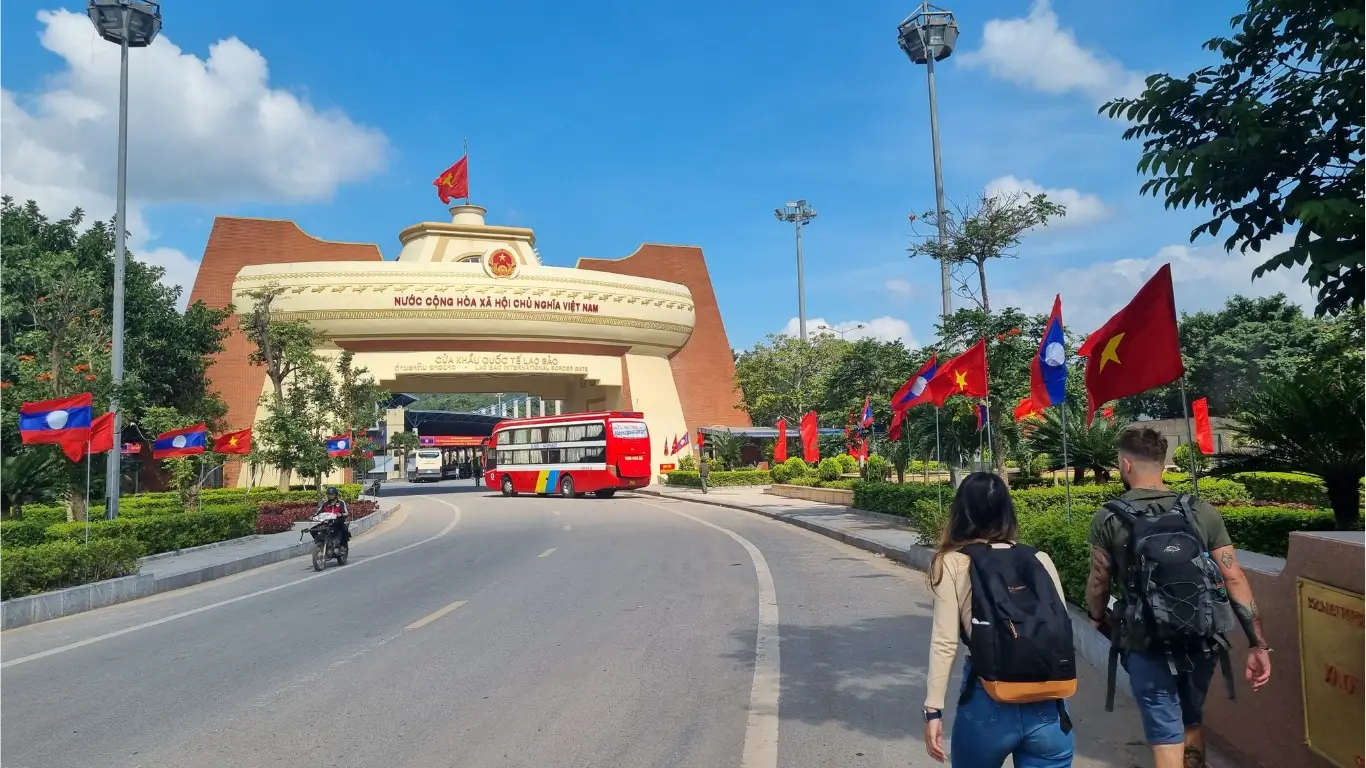
Another fact to mention is, that the border to Vietnam in the east, draws some people to the town. There is a daily sleeper bus from Savannakhet Bus Station going to Da Nang in Vietnam. The comfortable and cheap bus takes around 10-12 hours to Da Nang and crosses the Lao-Bao border in Dansavan. If you want to catch the bus to Vietnam, just show up at the Bus Station in Savannakhet in the morning around 8 am. Tickets can be purchased there and it’s not neccessary to purchase tickets before (might be even not possible). So showing up at the bus station is your best bet to get the Bus. The price depends on where you are going. If going all the way to Da Nang, the price is somewhat between 20 – 30 USD and can be paid in lao kip at the bus station.
➡️ Distance from the city centre to the Vietnamese border Lao-Bao: 240 km, approx. 4.5 hours
➡️ Savannakhet to Hue takes around 8 hours by bus (400 km)
➡️ For travelers going all the way to Da Nang, Vietnam should consider around 10-12 hours
As of 2026, there is strictly NO Visa on Arrival (VoA) available for travelers entering Vietnam via the Lao-Bao International Border Checkpoint (Dansavan, Savannakhet Province). If you plan to take the daily sleeper bus from Savannakhet to Da Nang or Hue, you must secure a valid Vietnamese E-Visa in advance. Ensure that your E-Visa explicitly lists “Lao Bao Landport” as your entry point, otherwise, immigration officers at the border will deny your entry, and you will be forced to turn back to Savannakhet. You can apply for your travel authorization / eVisa ahead of time on the official Vietnam eVisa website.
Reaching Savannakhet is very convenient, with several reliable transportation options connecting the city to major hubs in Thailand, Vietnam, and Northern or Southern Laos. Whether you prefer a quick domestic flight, an easy international bus crossing, or a scenic overland minivan ride, planning your route is straightforward. Depending on your starting point, here is a complete breakdown of the best ways to get to Savannakhet in 2026/27:
| From | Transport & Details | Travel Time |
|---|---|---|
| 🚌 Mukdahan (Thailand) | International Thai–Lao bus via the 2nd Friendship Bridge. Departures approximately every 45 minutes from Mukdahan Bus Station. | 30–45 min |
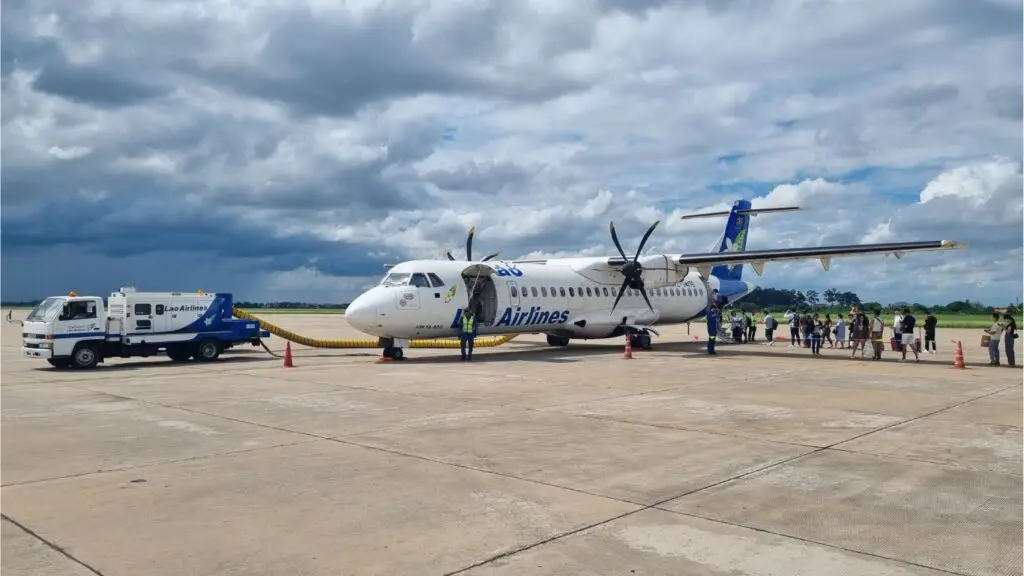
| ✈️ Vientiane | Domestic flights operated by Lao Airlines. Flight frequency varies depending on the day of the week. | 1 hour |
| 🚐 Pakse | Frequent daily minivans. Generally faster and more comfortable than the larger local buses. | 4–5 hours |
| 🚐 Thakhek | Regular buses and minivans connect Savannakhet with Thakhek throughout the day. | 3–4 hours |
| 🛌 Da Nang / Hue (Vietnam) | Daily sleeper buses via the Lao Bao border crossing connect Central Vietnam with Savannakhet. | 10–12 hours |
From Mukdahan (Thailand): The international bus can be boarded directly at the bus station in Mukdahan or at the border checkpoint on the Thai side. Just secure your ticket at the counter before entering immigration. The short ride brings you over the second Thai-Lao Friendship bridge—make sure to enjoy the great Mekong river views while crossing!
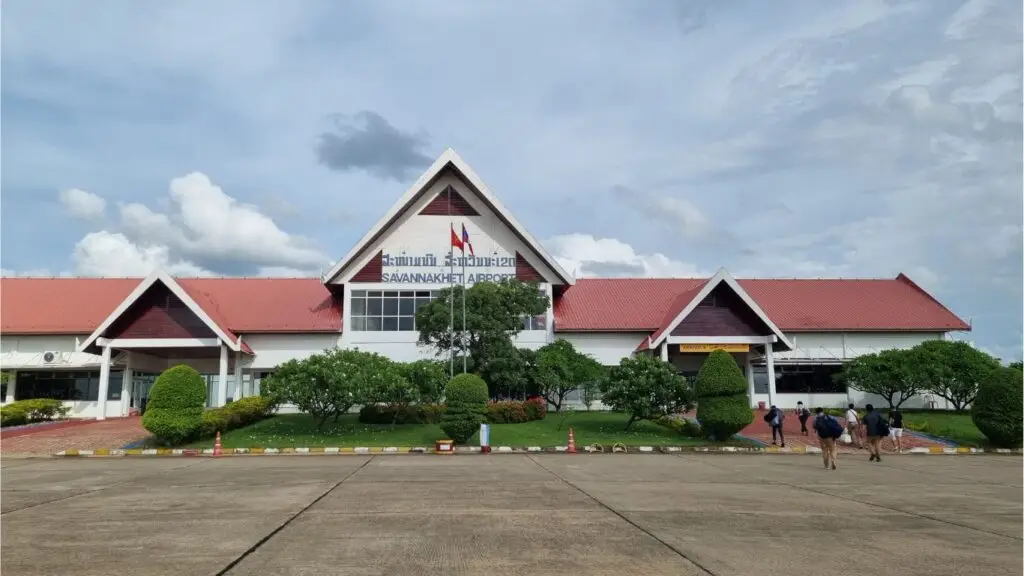
By Airplane from Vientiane. Savannakhet has a small airport with domestic connections to the capital. Flight schedules change depending on the day of the week, with more options usually available on Fridays and Sundays. It’s an easy way to skip the long overland journey if you are short on time.
Coming from Vietnam Lao-Bao Border. If you are traveling from Vietnam, head early in the morning to the Da Nang bus station to catch the direct sleeper bus to Savannakhet. It’s a straightforward route, just keep our crucial visa advice from above in mind!
From Pakse: Many travelers drive right through Savannakhet when moving between the south and north. If you just finished the Pakse or Bolaven Plateau Loop, take a minivan over the large local bus. Minivans are much faster, whereas the big local buses stop constantly to load goods, motorbikes, or even animals, classic Lao-style, but very slow!
From Thakek: Perfect to combine right after finishing the famous Thakhek Motorbike loop. Minivans and local buses leave frequently throughout the day, and your guesthouse can easily help you check the current timetable and secure a ticket.
From Vientiane by Bus: Same same, but different. Just head to the southern bus station in Vientiane, hop on the bus down south, and enjoy the long but scenic ride.
Getting around in Savannakhet is incredibly easy and laid-back compared to the chaotic traffic of Vientiane. Depending on your travel style, budget, and fitness level, you have several excellent options to move around the city and explore the surrounding countryside:
🗺️ On Foot (Best for Old Town): If your hotel is located within the historic center, you can easily explore the French colonial old town, the street art alleys, and the Mekong River Promenade completely on foot. Everything in the center is highly compact and walkable.
🚲 By Bicycle: Renting a bicycle is a highly romantic and eco-friendly way to cruise through the quiet colonial side streets or ride along the riverfront. Many guesthouses offer them for free or a tiny daily fee. You can rent one at “Rental Bike Shop“.
🛵 By Motorbike (Highly Recommended): If you want to visit attractions outside the city center, like That Ing Hang Stupa, Ban Bungva Lake, or if you are gearing up for the multi-day Xe Champhone Loop, renting a scooter is your best bet. The top address for reliable motorbike rentals in town is Dolly’s Cafe. Bonus Tip: They also serve a fantastic English breakfast and excellent pizza if you need a western food fix before hitting the road!
🚙 Via Ride-Hailing Apps (Xanh SM Lao): Savannakhet features Laos’ incredibly popular, modern ride-hailing service Xanh SM. You can download their app and easily book one of their signature cyan-blue electric taxis. It is super cheap, reliable, and completely eliminates the need to bargain over fares.
🛺 Traditional Tuk-Tuks: If you prefer the old-school Southeast Asian transit experience, you will find plenty of local Tuk-Tuks parked near the bus station, the market, and the ferry terminal. Always negotiate and agree on the price before stepping inside, as they don’t use meters!
As someone who has been living in Savannakhet for years, I’ve met so many people doing their Thailand visa run here. Luckily for us expats living in Laos, the local visa system is very relaxed, and we don’t even need to leave the country to renew our long-term 12-month visas.
However, if you live on the other side of the Mekong in Thailand, you constantly have to do those annoying border bounces or visa runs and renew your paperwork in places like Savannakhet. Many of the Thai visa runners I’ve met over the years actually ended up thoroughly enjoying Savannakhet, and we’ve become friends. Sadly, there are still way too many travelers who just drop off their passports at the Royal Thai Embassy and never give the city a real chance. They quickly dismiss it as a boring transit town, but I 100% disagree.
Instead of treating your visa run as a stressful, bureaucratic chore, you should turn it into a relaxing mini-vacation. Slow down, match the sleepy rhythm of the Mekong, and give this underrated city a chance. Here is why extending your stay by just two or three days is completely worth it:
☕ The Café Vibe: Savannakhet has a booming, authentic coffee scene. Historic colonial buildings house beautiful spots like Black Coffee, Season Coffee SVK, Memories Lane Coffee, ROK Coffee Center, Bolaven Roaster & Cafe Shop or Baris Shot Cafe serving local beans from the Bolaven Plateau. It’s the perfect, quiet setting to get some work done while waiting for your passport or simply enjoy delicious coffee. I find the coffee scene in Laos in general way better and much more present than Thailand.
🛵 Zero Tourist Crowds: Unlike Vang Vieng or Luang Prabang, Savannakhet is not overrun by mass tourism. When you stroll through the quiet colonial side streets or hunt for hidden street art, you are experiencing 100% genuine Lao city life, can easily get in touch with locals and hang out where they do.
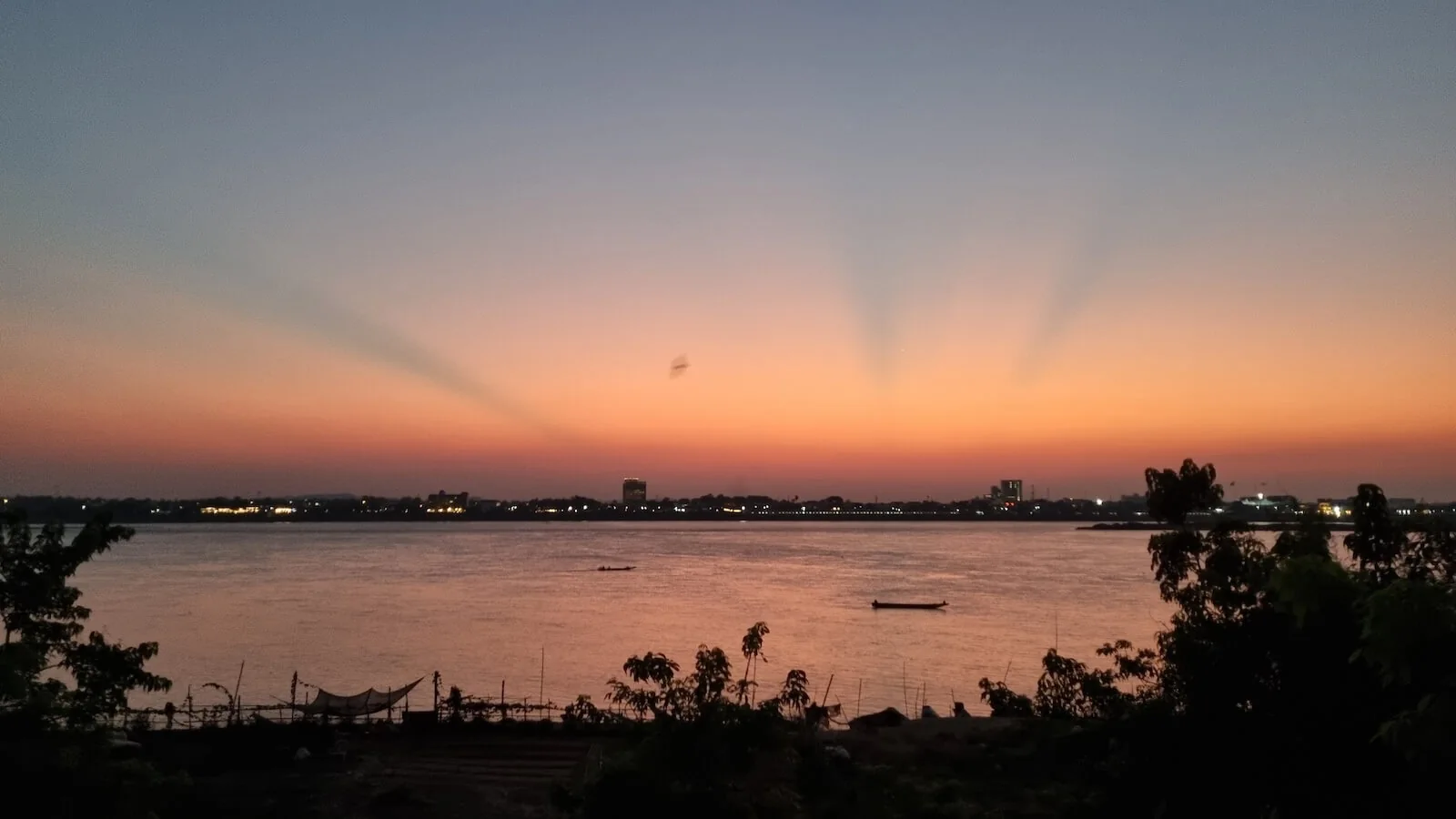
🌅 Unbeatable Sunsets & Food: Spending an evening at the newly developed Mekong River Front, grabbing fresh street food at the Laochalern Night Market, and cracking open a cold (cheap) Beerlao while watching the sun sink over Thailand is pure magic and incredibly budget-friendly. Savannakhet is one of the cheapest towns in Laos. You can eat out in fine-dine restaurants or local street food vendors for super low prices.
🌳 True Rural Adventures: Within just 15 to 30 minutes outside the city center, you can escape to the beautiful Ban Bungva Lake for fresh stilted-restaurant dining, or immerse yourself in local culture with an overnight Savannakhet Homestay Experience in a traditional Phu Thai village.
Another massive misconception about Savannakhet is that it’s completely boring and has zero nightlife. To anyone holding that opinion: you are completely wrong! Laotians absolutely love to go out, socialize, and drink beer, meaning you will find local spots buzzing almost every single day of the week. Savannakhet’s nightlife has a fantastic, energetic vibe that completely transforms the sleepy town after dark.
Bars & Pubs in Town: You can find everything here from cozy pubs and modern cocktail bars to massive open-air venues. If you want to stay close to the old town and kick off your evening with a cold drink, head over to popular hangouts like Senorita Bar, Rim Bar, Coba Savannakhet, or the Camping on the Mekong spot right next to Pilgrims Kitchen Inn.
BBQ Places on the outskirts: Already had a few bottles of Beerlao and ready for a real local adventure? Then it’s time to head out to the A1 Road. Along this strip, you’ll find plenty of lively, open-air BBQ joints packed with locals and blaring music. These places, which locals simply refer to as “duck BBQ” or “beef BBQ” depending on what they serve, feature lovely local girls keeping your glasses filled with ice-cold beer. Most of these hidden gems are only listed in Lao language on Google Maps, making them a true insider experience.
Clubs: Since most of the riverside bars and BBQ spots wrap up between 12:00 AM and 1:00 AM, it’s time to hit the clubs if you want to keep the night going. For a massive night out near the A1 Road, check out Waiwan Savannakhet or AAA Restaurant & Bar. If you prefer to stay closer to the center, Sabaisavan Club or the Dragon Club (located right on the Mekong near the floating restaurant) will easily keep you dancing until 4:00 AM.
The best things to do in Savannakhet combine charming French colonial architecture, vibrant street art hidden in historic alleys spread out across the old part of town, sacred Buddhist temples, and lively local night markets along the Mekong River Promenade.
Savannakhet is very laid-back and once arrived at the city, it’s time to go with the flow. It might not be as exciting as places like Luang Prabang, but it’s definitely a very authentic and typical lao city, where you will find yourself mostly among locals instead of other tourists. If you have a few spare days on the way down south to 4000 islands or up to Thakek and ask yourself if it is worth to stop there, then rest assured because the answer is yes! Savannakhet has plenty of things to keep you busy for some days.
The Laochalern Night Market is the premier evening hotspot in Savannakhet, uniquely set inside a preserved French colonial-era cinema right on the Mekong River.
Located right on the Mekong River, this new night market in Savannakhet can definitely compete with markets in Thailand. Lots of delicious sweet and savoury food, paired with the most famous Beerlao, makes it a great spot to have dinner or a snack and a couple of beers.
Believe it or not, but you might even meet other travelers and expats as it’s a popular spot for both locals and foreigners. The market opens around 5 pm until 10 pm. On weekends, the market becomes livelier with live music and traditional dance performances, providing a glimpse into local culture. Visitors can also browse stalls selling local handicrafts, traditional clothing, and souvenirs, reflecting the rich cultural heritage of the Lao people. Its central location along the Mekong River provides scenic views, especially during sunset, making it a picturesque spot for evening strolls. The market is located in the old french colonial theatre, which is still very preserved to get an authentic feeling of the old colonial times.

The Savannakhet Dinosaur Museum houses a fascinating collection of prehistoric fossils discovered throughout the province, offering visitors an authentic glimpse into the region’s ancient past.
Established to showcase fossils discovered in the area, the museum features exhibits that highlight the ancient creatures that once roamed present-day Savannakhet. While the museum is modest in size, it provides educational insights into paleontological findings specific to Laos. For those interested in natural history, it’s a noteworthy stop to learn about the country’s unique fossil record. Entrance is cheap (10.000 LAK). The guy in charge is an older friendly local man, who loves to chat and can give you insights about the area during the American-Vietnam war as well.
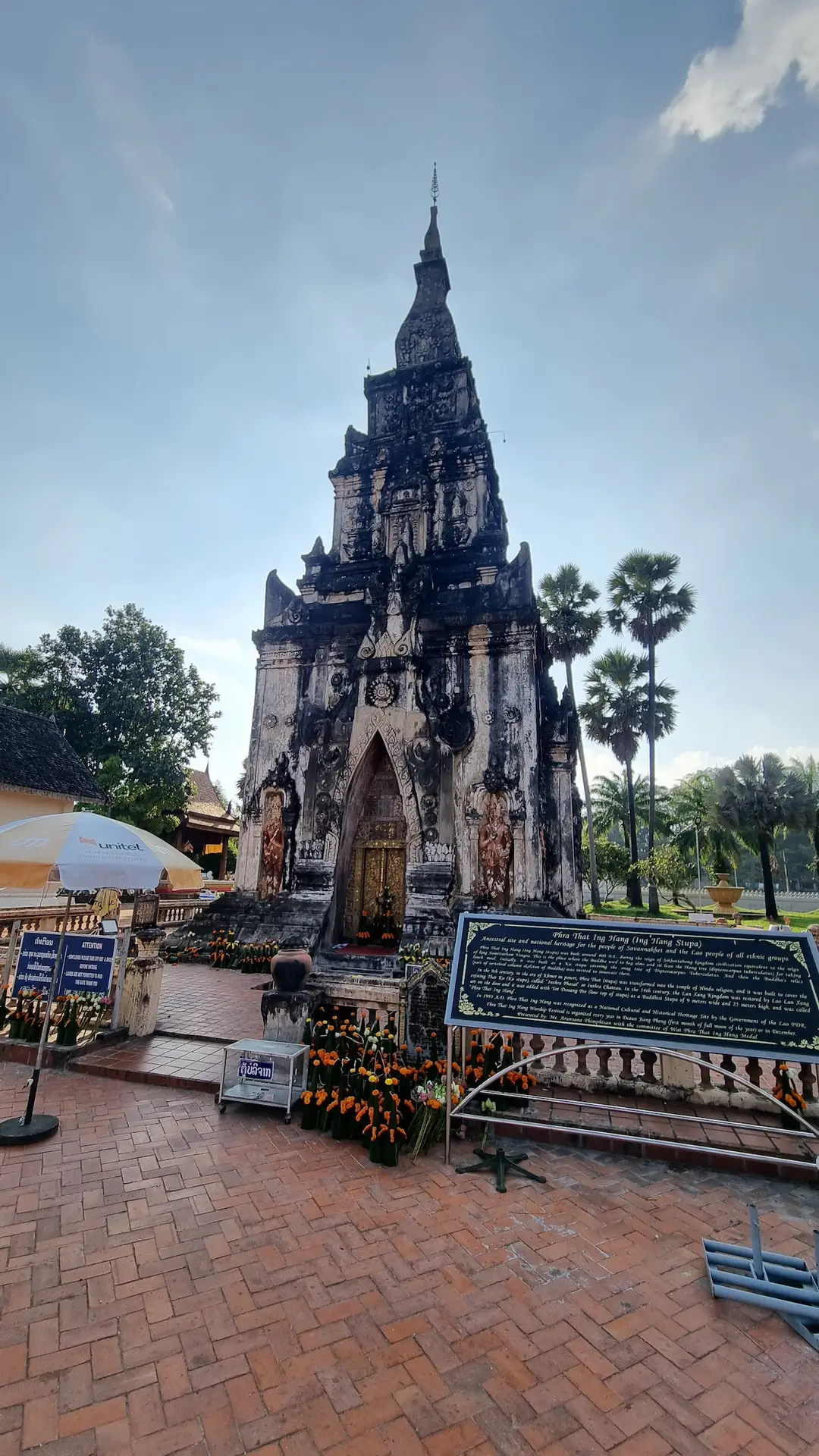
That Ing Hang Stupa is a highly revered 9-meter-tall Buddhist monument located roughly 15 kilometers outside of Savannakhet’s city center.
The Stupa is located around 20 minutes outside of the city (15 km) and is a Buddhist monument believed to house a relic of Buddha’s spine. Therefore it’s a significant pilgrimage site for Theravada Buddhists. The stupa stands approximately nine meters tall and features intricate carvings and decorations that reflect it’s historical and religious importance. Tradition holds that the site marks the place where Lord Buddha rested during his travels, adding to its spiritual significance. Today, That Ing Hang continues to be an important place of worship for both Laotian and Thai Buddhists, with annual festivals attracting numerous devotees. The stupa was originally built during the reign of King Soumitatham approximately 2,000 years ago to commemorate a visit by Lord Buddha. It was later rebuilt in 1548 by King Sayasetthathilath. Visitors are advised to dress respectfully, with women often required to wear a traditional Lao-style sarong, known as a “pahsin”, before entering the temple grounds.
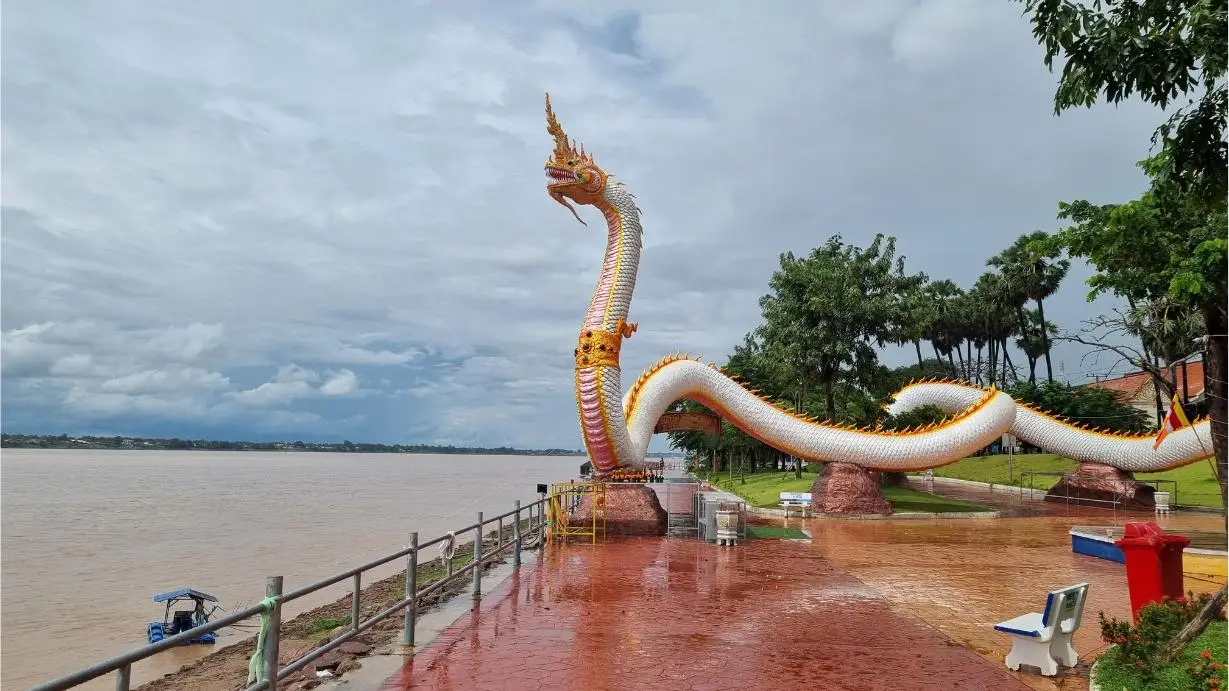
The newly developed Mekong River Front in Savannakhet serves as the perfect scenic promenade to watch the sunset over neighboring Thailand.
Completely rebuilt by the local government, this vibrant riverside area has quickly become a favorite hangout spot for locals. In the evening, the promenade truly comes to life. Local families gather here, grab some delicious Lao street food, open a cold Beerlao, and enjoy the absolutely beautiful sunset. Since the riverfront is located right next to the Laochalern Night Market, it is the perfect starting point for an evening stroll.
As you walk along the path, you can’t miss the giant white and gold Naga statue stretching along the promenade. It is a sacred shrine where locals gather to offer flowers and incense, with the mythical serpent’s head looking directly across the Mekong toward Thailand.
It is also a great energetic spot for exercise, where you can watch locals jogging or practicing aerobics in the open spaces. Small vendors set up shop along the wide path, selling everything from handmade crafts to refreshing drinks. Depending on when you visit, you might even catch local cultural events and festivals, offering a great chance to experience traditional Lao music and dance in a scenic riverside setting.
By summer 2026, the promenade is being extended even further. The local city government is currently building a dedicated running & walking path that stretches far down the river, making it perfect for an undisturbed morning or evening run.
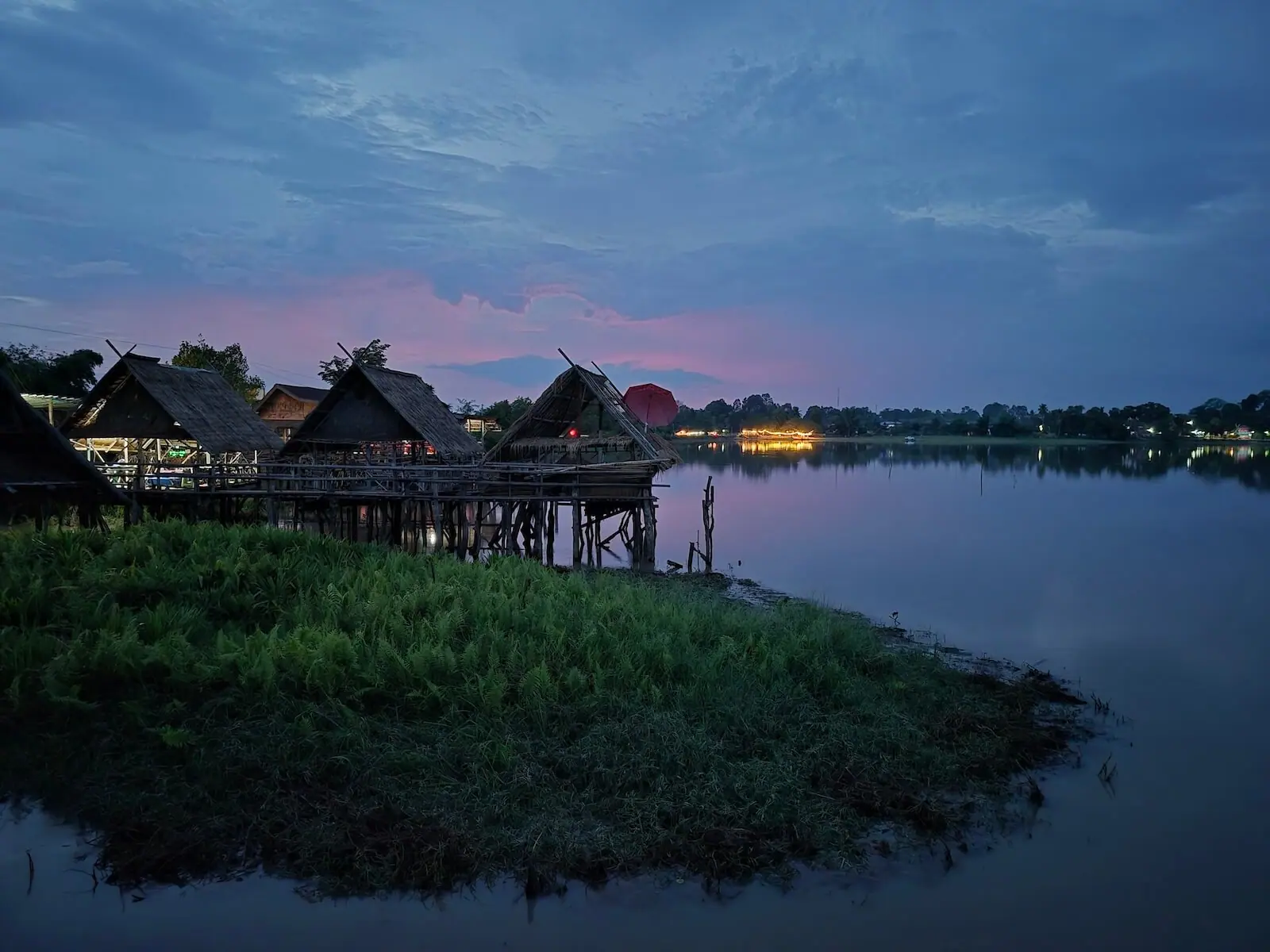
Located just about 15 minutes outside of the city center, Ban Bungva Lake is a big freshwater reservoir in the area and a hidden gem mostly known only to locals. Thanks to the abundant water supply, local farmers are able to harvest rice twice a year instead of just once, meaning the surrounding landscape is almost always covered in lush green rice paddies.
The highlight of visiting the reservoir is the local dining experience: right on the water’s edge, you will find fantastic rustic restaurants built on wooden stilts and piers. While the menus here are only in Lao language, ordering is worth it: they serve incredibly fresh fish caught directly from the reservoir at unbeatable, low prices. It is the perfect, authentic spot to enjoy a cold Beerlao and watch a peaceful sunset far away from any tourist crowds.
If you have more than just one or two days in the region, embarking on the legendary Xe Champhone Loop is the real off-the-beaten-path adventure in Laos. Located in the ecological wetlands of the Champhone District, this motorbike (or bicycle/car) circuit takes you deep into rural landscapes filled with incredible, hidden cultural sights.
The loop features unique stops like the sacred Monkey Forest, the ancient Taleo Old Temple, the historic Hotay Pidok Library, Turtle Lake, Sui Reservoir and Stone House (Huean Hin). Because there is so much to see and navigate along the way, we have written a complete, step-by-step itinerary for this adventure. To get all the details on road conditions, maps, and hidden stops, check out our Xe Champhone Loop travel guide to plan your perfect motorbike trip.
Finding the best places to stay in Savannakhet is easy, with options ranging from budget guesthouses to premium boutique hotels in historic colonial buildings. Whether you’re just passing through on a Thai visa run or staying longer to explore Central Laos, here are a few accommodations we personally stayed at and genuinely recommend to friends, family, and fellow travelers.
Pilgrims Kitchen Inn is a highly popular riverside hotel option in Savannakhet, known for its excellent location right on the Mekong. It’s a fantastic go-to choice for many travelers, featuring fresh in-house roasted coffee and a wide variety of delicious food options (Western, Lao & Thai).
🏨 Secure your riverside room at Pilgrims Kitchen Inn on Agoda
Xaythone Guesthouse offers an affordable, budget-friendly stay in Savannakhet with clean rooms and great local hospitality. It’s a classic local choice with spotless, air-conditioned rooms and a super friendly Lao owner who speaks excellent English and loves to help you out with travel tips.
🏨 Check current budget rates for Xaythone Guesthouse on Agoda
Macchiato Resort is one of the more premium boutique accommodations in Savannakhet, located in a quiet area close to the Royal Thai Embassy. It features beautiful, comfortable rooms and great on-site food options. While it is a bit more expensive than the standard guesthouses in town, it is the perfect choice if you are looking for some extra comfort, a tranquil vibe, and a great cup of coffee during your stay.
🏨 See photos and booking options for Macchiato Resort on Agoda
B2 Hotel Savannakhet is a charming, family-run accommodation option located within comfortable walking distance of the Laochalern Night Market. It is run by a welcoming local Lao family whose owner speaks excellent English and is incredibly helpful. Offering clean, cozy rooms at fantastic, affordable prices, it is the perfect choice for budget-conscious travelers who want to stay close to the evening action.
🏨 Find availability for B2 Hotel Savannakhet on Agoda
Monkey Guesthouse is the absolute ultimate choice for backpackers and budget-conscious solo travelers in Savannakhet. Located right in the heart of the historic colonial center, it offers unbeatable convenience for exploring the town. They feature both clean, basic private double rooms and highly affordable shared dorms at extremely low prices. It’s a fantastic social hub where you can easily connect with other travelers and enjoy a laid-back backpacker atmosphere.
🐒 Find the cheapest rates and book your bed at Monkey Guesthouse Savannakhet on Agoda
Savannakhet is one of those places where the real charm often lies beyond the obvious tourist attractions. While the old town and Mekong riverside are worth exploring, you’ll also find hidden cafés, quiet colonial streets, local markets, and a few unexpected attractions that many visitors completely miss. If you have some extra time in the city, here are a few additional things to do in and around Savannakhet that are worth checking out:
➡️ Rent a bicycle to cycle around the romantic french colonial town
➡️ Visit one of the many Buddhist temples in town, such as Wat Sainyaphum near the Mekong
➡️ The Savannakhet Provincial Museum offers a glimpse into the region’s rich history, showcasing artifacts from ancient civilizations, the colonial era, and the Vietnam War, making it a must-visit for history enthusiasts.
➡️ St. Theresa’s Church near the old night market is a stunning colonial-era landmark with a serene atmosphere and unique European-Lao architecture, making it a worthwhile visit for those interested in history, culture, and quiet reflection.
➡️ Nong Tao is a man-made reservoir located in Khanthaboury District around 30 minutes outside of town near That Ing Hang Stupa. Cool down with a cold Beerlao and enjoy some fresh fish or dancing shrimps from the reservoir at one of the restaurants near the lake. You will find only locals there
➡️ Craving some western food? Plenty of restaurants, such as Dolly’s Cafe, Long Pizza, Jimmy’s Pizza for, Chez Boune, Chez Vansome for French cuisine or the newly opened Laochalern Garden right next to the new night market.
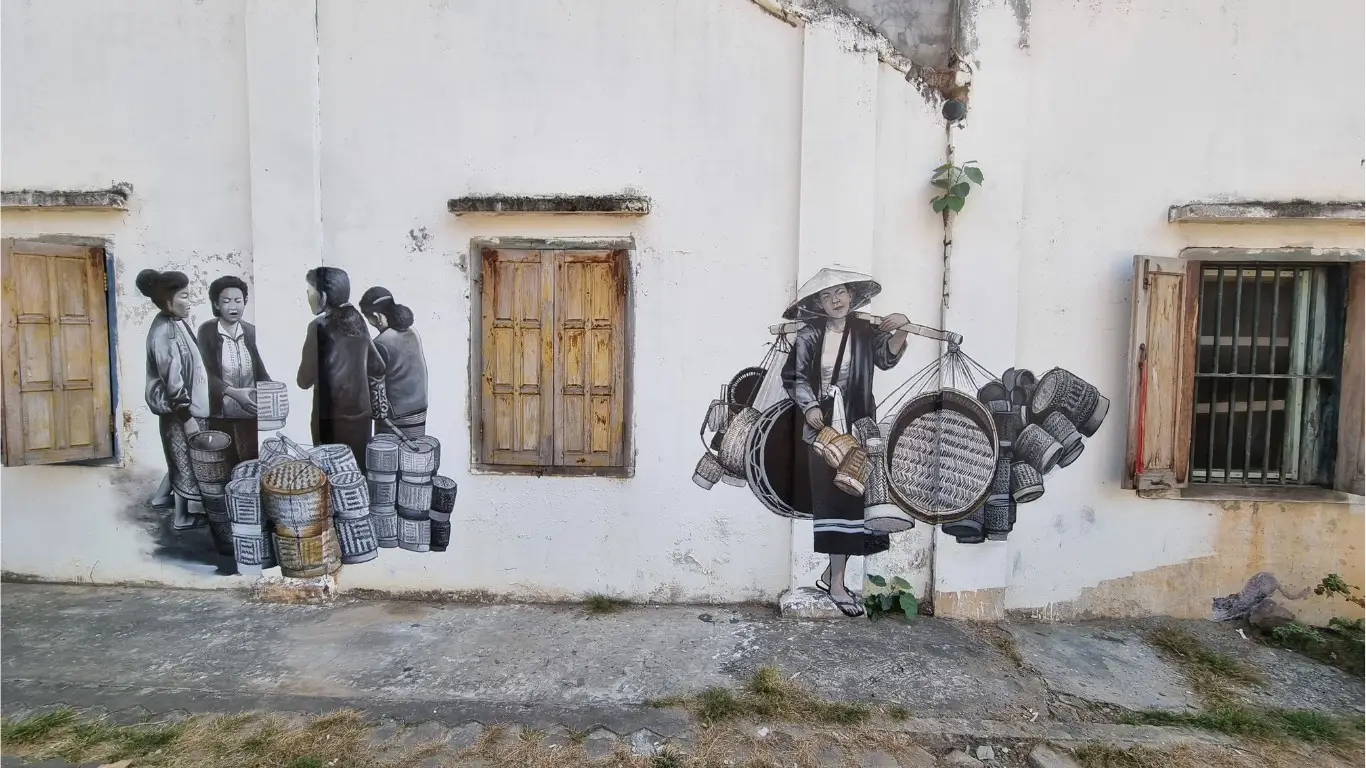
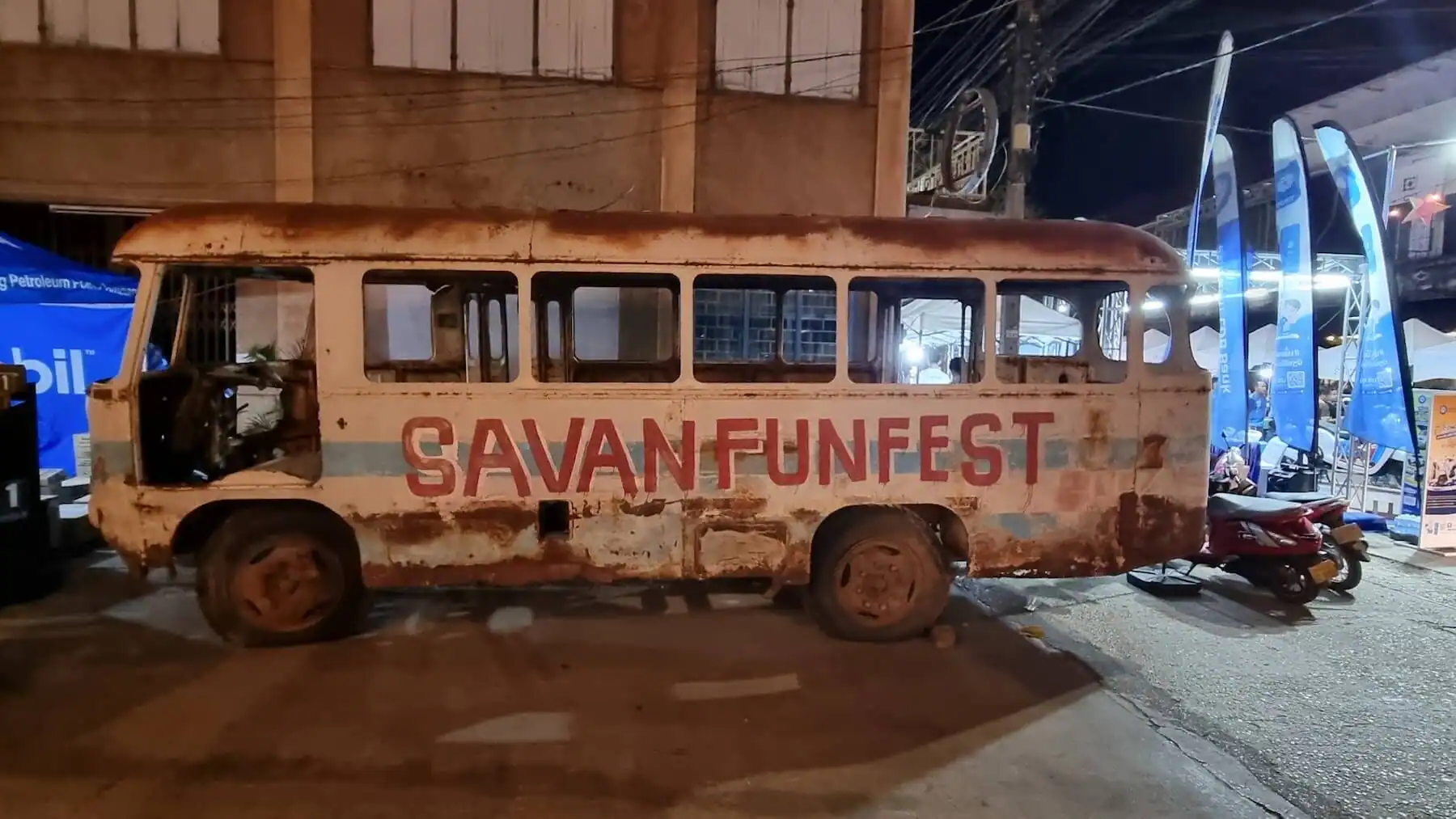
➡️ Hunt for Savannakhet’s hidden Street Art: As you might have already noticed from our cover photo at the top, the old town has developed a really cool, understated street art scene. Keep your eyes open while exploring the quiet colonial side streets. Hidden walls and alleyways feature beautiful street art paintings of traditional Lao life, vintage vehicles, and modern local art.
If you want to explore Savannakhet far beyond the historic temples and town streets, we invite you to join our privately hosted Savannakhet homestay experience.
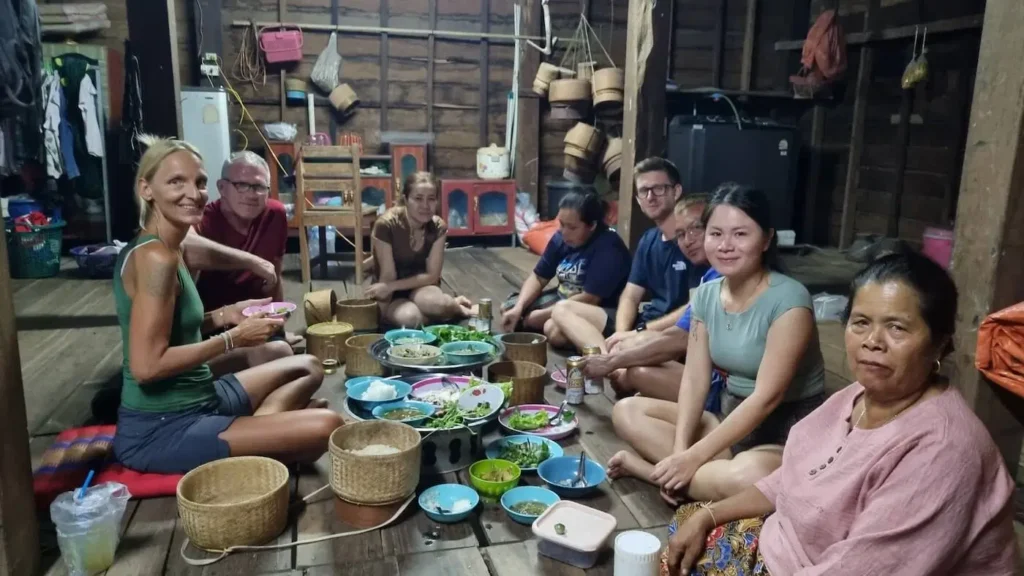
This unique journey combines the adventurous Xe Champhone Loop with an unforgettable overnight stay with a welcoming local family in a traditional Phu Thai village (One of Laos’ ethnic groups). This is your chance to discover rural Laos at a completely relaxed pace, enjoy authentic home cooked Lao food, and gain rare, but real insights into everyday village life far away from the main tourist routes.
Doesn’t matter if you’re on a visa run / border bounce from neighbouring Thailand or on the way to south/northern Laos or Vietnam, give Savannakhet a chance. It’s an authentic city, where you still can experience 100% local life instead of an overrun tourist destination. You will not miss anything in this city. There are plenty of coffeeshops with local lao coffee beans from the Bolaven Plateau, great lao, thai, vietnamese and western restaurants, plenty of attractions for for a few days – don’t skip it!
Yes, Savannakhet is exceptionally safe, peaceful, and has a very low crime rate. Like in any city, just practice standard travel awareness during the evening hours along the riverfront, but you will generally find locals to be incredibly welcoming, honest, and helpful. After all my years in Savannakhet, I’ve never experienced any crimes in here. It’s much safer than any city in Europe or USA.
While many Thai visa runners only stay for 24 hours, we highly recommend staying for at least 2 to 3 days or even more. This gives you enough time to explore the French colonial old town, hunt for hidden street art, experience the buzzing local nightlife along the A1 road, and take a half-day trip to the beautiful Ban Bungva reservoir.
Absolutely! Savannakhet is one of the few places in Laos where you can still experience 100% authentic local city life completely free from mass tourism crowds. With its booming café culture, historic architecture, incredible night markets, and adventurous off-the-beaten-path circuits like the Xe Champhone Loop, it is a fantastic cultural stopover.
No, there is NO Visa on Arrival available for travelers entering Vietnam via the Lao-Bao International Border Checkpoint. If you take the daily sleeper bus from Savannakhet to Da Nang or Hue, you must secure a valid Vietnamese E-Visa in advance and ensure that it explicitly lists “Lao Bao Landport” as your entry point.
Yes, if you cross the 2nd Lao-Thai Friendship Bridge from Mukdahan to Savannakhet, a Laos Visa on Arrival (VoA) is fully available at the border checkpoint. It currently costs 40 USD (paying in USD is highly recommended, as paying in Thai Baht usually costs around 1,800 THB, which is a worse exchange rate). Alternatively, you can also apply for a official Lao eVisa ahead of time online, which is fully accepted at this specific bridge crossing.
Disclosure: This article contains affiliate links. If you make a purchase through them, we may earn a small commission and you support our blog to write more helpful articles – at no extra cost to you.